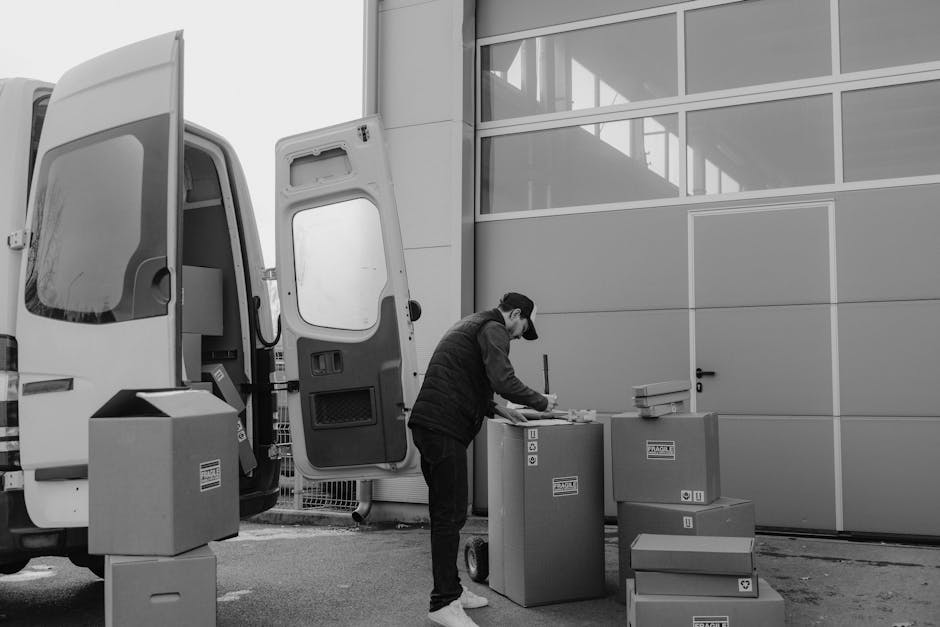
SW18 Man with Van Services Wandsworth Insider Packing Tips
If you are moving in SW18, the packing stage can make or break the day. Anyone who has ever watched a hallway fill up with half-sealed boxes, random bin bags, and one very confused kettle knows the feeling. The good news is that SW18 Man with Van Services Wandsworth Insider Packing Tips can make a short move feel organised instead of chaotic. In this guide, you will get practical packing advice, local moving know-how, and a realistic look at how to prepare for a man and van booking in Wandsworth without overcomplicating things.
Whether you are moving from a flat near Earlsfield, a house closer to Wandsworth Common, or simply shifting furniture across SW18, the same principle applies: good packing saves time, protects belongings, and helps the move go smoothly. Let's face it, nobody wants to be repacking at 7:15 in the morning while the van is already waiting outside.
Table of Contents
- Why SW18 Man with Van Services Wandsworth Insider Packing Tips Matters
- How SW18 Man with Van Services Wandsworth Insider Packing Tips Works
- Key Benefits and Practical Advantages
- Who This Is For and When It Makes Sense
- Step-by-Step Guidance
- Expert Tips for Better Results
- Common Mistakes to Avoid
- Tools, Resources and Recommendations
- Law, Compliance, Standards, or Best Practice
- Options, Methods, or Comparison Table
- Case Study or Real-World Example
- Practical Checklist
- Conclusion
- Frequently Asked Questions
Why SW18 Man with Van Services Wandsworth Insider Packing Tips Matters
Packing is not just about putting things into boxes. It shapes the entire moving experience. When items are labelled clearly, packed sensibly, and grouped by room or priority, a man with a van service can work faster and with fewer awkward pauses. That matters in SW18 because many homes and flats in the area involve shared entrances, narrow staircases, parking pressure, and limited lift access. All of that can slow things down if your belongings are not ready.
It also matters because moving day timing is rarely generous. In Wandsworth, one delayed box can hold up a van load, and one badly packed wardrobe box can create a mess that spreads into everything else. Good packing is really a kind of insurance. Not the formal sort, just the practical kind that stops small problems becoming expensive annoyances.
For local moves, especially with a compact team, the right packing approach helps the crew load in a logical sequence. That usually means heavier items first, delicate items clearly marked, and essentials kept separate. It sounds simple, but simple is often what works best.
If you are comparing moving help, pages such as man with van, man and van, and man with a van can be useful starting points for understanding how these services are typically structured.
How SW18 Man with Van Services Wandsworth Insider Packing Tips Works
The idea is straightforward: you prepare your items in a way that makes loading, transport, and unloading efficient. A man and van booking usually suits smaller or medium-sized moves, so the more organised your packing, the more value you get from the service. In practice, that means treating each box like a tiny project rather than throwing everything into one container and hoping for the best.
A good workflow looks like this:
- Sort first. Decide what is moving, what is being stored, and what can be donated, recycled, or collected separately.
- Pack by category or room. Keep similar items together so unpacking later is easier.
- Label clearly. Write the room, contents, and any handling notes on each box.
- Protect fragile items. Use wrapping, padding, and smaller boxes where needed.
- Keep essentials accessible. Toiletries, chargers, documents, keys, and a change of clothes should not vanish into the back of the van.
- Load with logic. Larger, sturdier items go in first; delicate boxes should be placed where they will not be crushed.
That is the basic framework. The local part comes from understanding the move itself. A third-floor flat in SW18 with no lift is a very different beast from a ground-floor house move. You may need more time, more padding, or even a service choice that leans toward a fuller removals setup. For bigger moves, pages like removal services, removals, and removal van can help you see what other support is available.
Key Benefits and Practical Advantages
There is a very real difference between "packed" and "packed well". The first may still end with crushed mugs and missing phone cables. The second makes moving day calmer, quicker, and honestly less embarrassing when people are walking around with boxes of your life in them.
- Less breakage: Proper cushioning and sensible box sizes reduce damage risk.
- Faster loading: Clear labels and grouped items save time at the property and at the van.
- Easier unpacking: You can place boxes directly in the right rooms instead of sorting everything again later.
- Lower stress: When essentials are separate, the first night in your new place feels much more manageable.
- Better use of van space: Efficient packing helps you avoid wasted journeys or awkward stacking.
- More accurate quotes: If you know what you are moving and how much space it takes, pricing discussions tend to be clearer too.
There is also a hidden benefit people often miss: packing well helps you make decisions. Once you start sorting items into keep, store, recycle, or donate, the whole move gets sharper. You notice duplicates. You spot things you never use. You may even realise that one old chair has somehow survived three moves and should probably retire gracefully.
If you need extra help with boxes and materials, packing and boxes is a sensible page to review, especially if you are weighing up whether to buy supplies yourself or keep things simple.
Who This Is For and When It Makes Sense
This approach is especially useful if you are doing a local move in SW18 and want to keep costs and stress under control. It suits people who can pack some or all of their belongings themselves, but still want a professional van service to handle the lifting, transport, and overall logistics.
It tends to make the most sense for:
- flat moves with stairs or tight access
- small house moves
- student relocations between term dates
- furniture transfers
- single-room or partial moves
- moves where you are keeping some items in storage
- last-minute or same-day shifts where speed matters
If you are moving out of a rented flat, packing smartly also makes handover easier. You can keep cleaning items, keys, and documents separate from the rest of your household goods. That little bit of order makes a difference when you are already tired. Truth be told, by the final day you do not want to be hunting for the lease paperwork under a pile of socks.
For smaller jobs, student removals and flat removals are particularly relevant. For larger residential moves, home moves and house removals may be more appropriate.
Step-by-Step Guidance
If you want a practical way to prepare, use this sequence. It keeps the job moving and stops packing from becoming one long, exhausting pile of half-finished tasks.
1. Start with a room-by-room sort
Walk through each room and divide items into four groups: move, store, donate, and discard. Be honest here. A move is the perfect time to stop carrying clutter around like emotional luggage.
2. Gather supplies before packing properly
You will need sturdy boxes, tape, markers, wrapping paper, bubble wrap or soft padding, and a few bags for loose items. If you are short on supplies, get them before the main packing push starts. Packing without enough tape is one of life's quieter disasters.
3. Pack the least-used rooms first
Guest rooms, spare shelves, seasonal storage, and decorative items should go early. Leave daily-use items until last so your home remains functional for as long as possible.
4. Use the right box size
Heavy things belong in small boxes. Lighter items can go in larger ones. Books, records, and kitchen crockery all get heavy fast, and oversized boxes full of dense items are a back injury waiting to happen.
5. Protect fragile pieces individually
Wrap glassware, lamps, mirrors, and crockery separately. Fill empty gaps inside boxes so items do not rattle. If a box sounds like a tambourine when you pick it up, it needs more padding.
6. Label with more than just the room name
Write what is inside, whether it is fragile, and whether it should be unloaded first. For example: "Kitchen - mugs, plates, kettle - fragile - first access." That tiny bit of detail saves time later.
7. Prepare one essentials box
This should include toiletries, phone charger, medication, snacks, tea bags, a basic toolkit, documents, and maybe some toilet paper. Nobody wants to be the person asking where the kettle went at 11 p.m.
8. Reserve a clear path for loading
On moving day, leave hallways and doorways clear. A clean route from the rooms to the front door is one of the best "packing tips" there is, because it helps the van team work safely and steadily.
Expert Tips for Better Results
Here are the small, experienced moves that make a noticeable difference.
- Pack heavy-to-light by box. Heavy items should sit at the bottom, lighter ones above them.
- Keep matching items together. Kitchens with kitchens, books with books, cables with cables. It sounds obvious, but people still mix everything together.
- Use soft items as padding. Towels, jumpers, and bed linen can protect non-fragile items and save space.
- Take photos of cable setups. Before unplugging TVs, routers, and monitors, snap the setup. It avoids the "why won't this work?" moment later.
- Carry documents yourself. Passports, tenancy paperwork, contracts, and keys should stay with you, not in the van.
- Seal each box properly. Reinforce the bottom and top. A box that gives way on the stairs is nobody's idea of fun.
- Think about access, not just contents. If a box needs to come out first, say so clearly.
One useful local habit is to pack by how your new place will actually function. If you know the kettle, mugs, and one frying pan will be needed immediately, give them priority. It is a small thing, but the first evening in a new home feels much better when tea is available without a treasure hunt.
If your move is especially time-sensitive, same day removals may also be worth considering alongside your packing plan.
Common Mistakes to Avoid
Most packing mistakes are not dramatic. They are just the sort that create a long, annoying afternoon. The good news is that they are easy to avoid once you know what to look for.
- Overfilling boxes: If the box bulges, it is too full.
- Under-labelling: "Stuff" is not a useful label, however honest it may be.
- Mixing room contents: It makes unpacking slower and more frustrating.
- Leaving packing until the night before: That usually leads to rushed decisions and broken items.
- Packing essentials too early: Then you spend the first day in the new place searching for chargers and toothpaste.
- Ignoring furniture prep: Loose shelves, drawers, and detachable legs should be secured before moving.
- Forgetting access issues: A van can only help if the route in and out is clear.
A common one in SW18 is assuming the move is "small enough" that detailed packing is unnecessary. In fairness, for a very short move, you do not need military-level organisation. But a little structure goes a long way. Even on a two-room move, the difference between chaotic and calm is often just the labels on the boxes.
Tools, Resources and Recommendations
You do not need a warehouse full of equipment to pack properly. A few sensible basics will do the job well.
| Tool or Supply | Best Use | Why It Helps |
|---|---|---|
| Strong cardboard boxes | General household items | Reliable stacking and safer transport |
| Packing tape | Sealing boxes | Stops boxes opening during loading |
| Marker pens | Labelling | Makes room-by-room sorting much easier |
| Wrapping paper or soft padding | Fragile items | Reduces breakage and shifting inside boxes |
| Zip bags | Screws, fixings, cables | Keeps small parts together |
| Blanket or cover sheets | Furniture protection | Helps prevent scratches |
If you want a service that includes more help with the physical side of moving, packing and unpacking services can be a practical option. For larger, heavier, or more complex jobs, you may also want to compare removal companies with a more compact van-based setup. For bulky items, furniture removals and furniture pick up are useful pages to explore.
And if you are moving office rather than home, office removals, office relocation services, and commercial moves are the more relevant routes.
Law, Compliance, Standards, or Best Practice
For most home moves, the legal side is not complicated, but a few best-practice points matter. Removal teams should work safely, handle items carefully, and communicate clearly about access, risks, and limitations. That includes sensible lifting techniques, stable loading, and awareness of stairways, tight corners, wet weather, and parking constraints.
From a customer perspective, you should also check the service terms, payment expectations, and insurance details before booking. It is just good sense. If a company is moving your belongings, you want to understand how they approach transport, what they cover, and what the process looks like if something is delayed or damaged. Pages like insurance and safety, health and safety policy, payment and security, and terms and conditions are worth reading before you commit.
It is also sensible to look at pricing and quotes early so you understand how the job is likely to be charged. Transparent quoting reduces surprises, and surprises on moving day are rarely the fun kind.
Options, Methods, or Comparison Table
Different move types need different packing approaches. Here is a quick comparison that may help you decide how much effort to put into preparation.
| Move Type | Packing Style | Best For | Typical Pressure Point |
|---|---|---|---|
| Man and van local move | Light but careful, room-based | Small flats, short moves | Speed and access |
| Full home move | Structured, detailed, layered | Family homes, larger loads | Volume and organisation |
| Student move | Minimal, essentials-first | Term-time changes | Timing and budget |
| Office move | Labelled by department or workstation | Business relocations | Continuity and setup |
| Storage-based move | Grouped, sealed, inventory-led | Staged moves or decluttering | Traceability |
The practical lesson is simple: do not overpack beyond the needs of the job. A small SW18 move does not need the same packing structure as a large house relocation, but it still benefits from a clear system. If you are unsure, a good middle ground is to pack like you are expecting future-you to be tired. Because, let's be honest, future-you probably will be.
Case Study or Real-World Example
Here is a realistic local example. Imagine a couple moving from a second-floor SW18 flat to a nearby house. They have a sofa, two beds, a dining table, kitchenware, books, and a few storage tubs. Nothing extreme, but enough to make the day feel full.
Instead of throwing everything into mixed boxes, they pack room by room over three evenings. Kitchen items go into clearly marked boxes with fragile labels. Books are split into smaller boxes so they do not become too heavy. Bedding and towels are used to cushion soft items. One "first night" box includes mugs, toiletries, chargers, tea, snacks, toilet rolls, and basic tools. A slim folder with tenancy paperwork and ID stays with them rather than going into the van.
On moving day, the van team can load quickly because each box is already sensible and easy to place. The sofa and table go in first, delicate boxes are placed safely on top or in protected gaps, and nothing is left behind in a random pile. The move feels smoother, shorter, and less tense. Not perfect, because moving rarely is, but far less messy than it could have been.
If they had needed temporary space, a page like storage would have been a logical next step. For heavier household items, house removals and house removalists give a better sense of how larger moves are handled.
Practical Checklist
Use this before the van arrives. It is simple, but it works.
- Sort items into keep, store, donate, and discard
- Pack non-essential rooms first
- Use sturdy boxes in sensible sizes
- Label every box clearly
- Mark fragile boxes and top-load them carefully
- Keep documents, keys, medication, and chargers with you
- Prepare an essentials box for the first night
- Take photos of cable setups and furniture assembly points
- Disassemble furniture only if safe and practical
- Leave access routes clear for loading
- Check parking and entry arrangements in advance
- Confirm booking details, timing, and payment expectations
One small but useful habit: place a bright sticky note on anything that must be opened immediately after arrival. It saves a lot of rummaging. A tiny thing, but in moving, tiny things add up.
Conclusion
Good packing is not about perfection. It is about making the move lighter, safer, and easier to live through. If you are using SW18 man with van services in Wandsworth, the smartest packing approach is usually the one that keeps things simple, labelled, protected, and ready to load without drama. That is the real insider tip. Not fancy. Just effective.
Whether you are moving a flat, a family home, student items, or a few bulky pieces, a calm packing plan gives you a better chance of a calm moving day too. And frankly, calm is underrated. When the boxes are tidy, the route is clear, and the essentials are at hand, the whole thing starts to feel manageable again.
Get a free quote today and see how much you can save.
And if you are still at the planning stage, take your time, pack with care, and give yourself one small break now and then. A move is a busy day, yes, but it does not have to swallow the whole week.
Frequently Asked Questions
What is the best way to pack for a man and van move in SW18?
The best approach is to pack room by room, use sturdy boxes, label everything clearly, and keep essentials separate. That keeps loading faster and unpacking much easier.
How far in advance should I start packing?
For a local move, starting one to two weeks ahead is usually sensible. If you have a lot of belongings or limited time, begin earlier so you are not rushed at the end.
Should I pack everything myself before the van arrives?
Not always, but most loose household items should already be boxed or bagged. Furniture and larger items may need extra preparation, but the van crew should not be waiting on basic packing.
What should go in my essentials box?
Include toiletries, chargers, medication, tea or coffee, snacks, a change of clothes, toilet paper, documents, and anything you will need on the first night.
How do I pack fragile items safely?
Wrap them individually, use smaller boxes, fill empty gaps with soft padding, and label the box clearly. Do not overload the box, even if it looks like there is room.
Is a man and van service suitable for flat moves in SW18?
Yes, it often is. It works especially well for smaller flat moves, short-distance relocations, and jobs where efficient packing and access planning make the biggest difference.
What if I need storage before or after the move?
Storage can be useful if your move dates do not line up or you need to declutter first. In that case, packing by category and sealing boxes carefully is especially important.
How can I make the move quicker on the day?
Label boxes clearly, clear the hallway, keep doorways open, and place bulky items near the exit if safe to do so. Small steps like that save real time.
Do I need to dismantle furniture before moving?
Only if it helps with access and can be done safely. Beds, tables, and some shelving may need partial disassembly, but do not take things apart unless you can reassemble them properly later.
Are packing and unpacking services worth it?
They can be worth it if you are short on time, dealing with a lot of fragile items, or simply want to reduce stress. It is especially helpful for larger or more complicated moves.
How do I know if I should book a bigger removal service instead?
If you are moving a full household, lots of furniture, or a business premises, a fuller removals option may be more suitable. Pages like removal services and office removals are useful for comparing that kind of move.
What should I check before confirming a booking?
Check the quote, the payment process, safety and insurance details, and the service terms. A little checking now avoids confusion later, which is always worth it.